Disclosure: This post contains affiliate links. As an Amazon Associate, Sari Memorial Homestead earns from qualifying purchases — at no extra cost to you. We only point to gear we’d actually use on the place.
A single boot print in cryptobiotic soil crust can last 50 years. A fire ring left on bare desert ground becomes a permanent scar. That’s the reality of high-desert camping out here near Indian Springs, Nevada, and it’s why Leave No Trace principles matter more in the Mojave than almost anywhere else on earth.
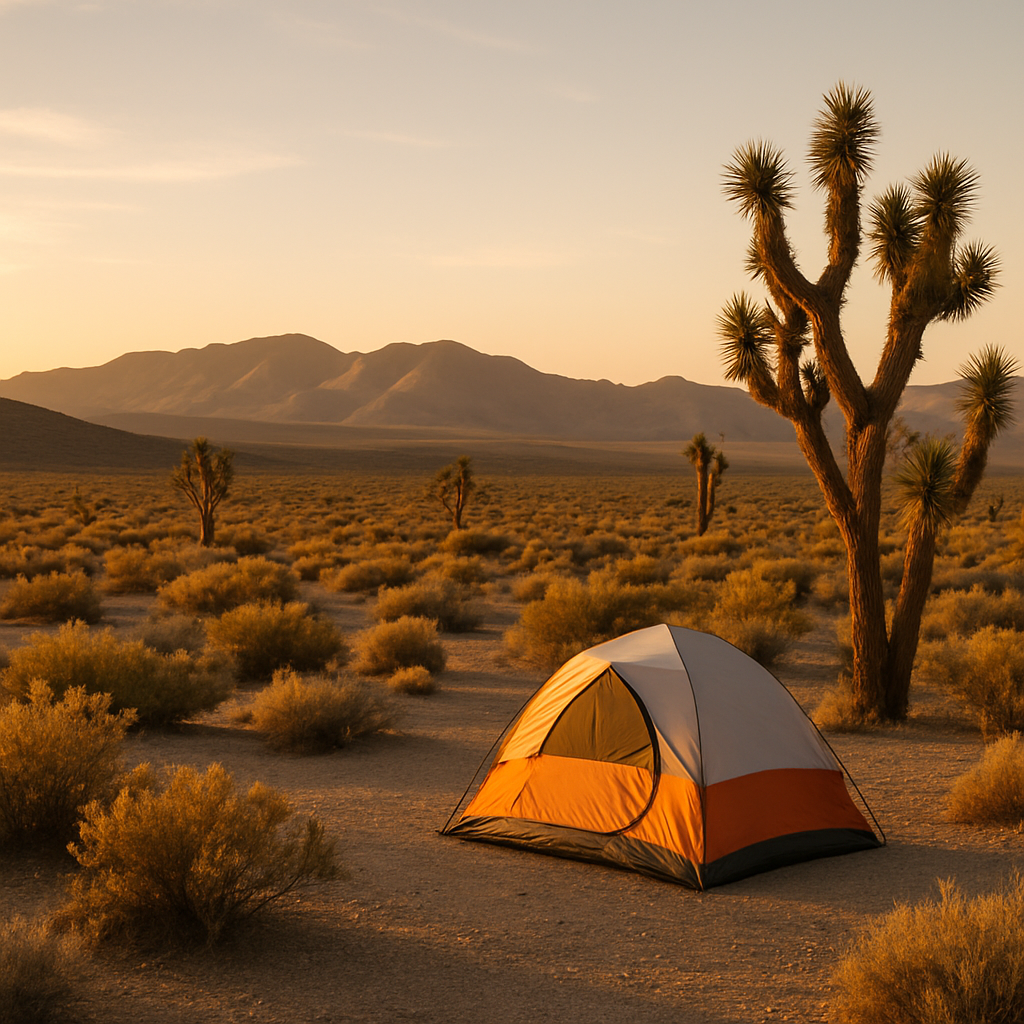
We live in this landscape — camp in it, train in it, pull weeds from it. The high desert stretches in every direction from our property, and anyone who’s spent real time in it knows it doesn’t forgive carelessness. A water source contaminated by one careless camper can affect wildlife and the next person who needs a drink for months. That’s why Leave No Trace isn’t just an outdoor ethics framework to us — it’s how we operate. We taught it to our kids the same way we taught fence-line maintenance: as a matter of respect and practicality.
Below is how we apply each of the seven Leave No Trace principles specifically to high-desert terrain, where fragile ecosystems hit different than they do in a pine forest or an alpine meadow.
1. Plan Ahead and Prepare for Desert Camping
The desert will humble you fast if you show up unprepared. Most Leave No Trace violations out here — off-trail hiking, illegal fire rings, wrecked campsites — happen because people didn’t plan. We always check current fire restrictions with the BLM before leaving the property. We print topo maps and download offline versions on our handheld GPS unit because cell service is a fantasy past the highway.
Knowing your campsite before you arrive lets you choose already-impacted spots so you’re not creating new damage. We also plan water carries carefully — the high desert has very few reliable water sources, and it’s easier to pack enough collapsible water containers from home than to scramble once you’re out there. A good rule: one gallon per person per day minimum, plus extra for cooking and cleanup. Knowing what you’re walking into means you make smarter, lower-impact decisions the whole trip.
2. Travel and Camp on Durable Surfaces
This principle is the one that separates high-desert Leave No Trace from everywhere else. Cryptobiotic soil crust — that dark, lumpy, almost alien-looking ground cover — is a living community of cyanobacteria, algae, fungi, mosses, and lichens. It stabilizes soil, fixes nitrogen, and retains moisture. It takes decades to form. One footstep destroys it.
We stick to rock, gravel, and previously impacted dirt when traveling cross-country. If we’re in a group, we spread out rather than walking single-file — that distributes impact and prevents creating new trails in the crust. For camping, we look for established sites on sand or gravel. If there’s no established site, we camp at least 200 feet from water sources, washes, and cryptobiotic areas, and we rotate our kitchen and sleep zones so we’re not hammering the same ground every night. Good hiking gaiters help keep you on solid footing and off fragile ground when things get rocky.
3. Dispose of Waste Properly in the High Desert

Pack it in, pack it out — full stop. The desert doesn’t break things down the way a humid forest does. Organic waste, food scraps, and yes, human waste can sit for years in arid conditions. We carry a WAG bag kit on every high-desert trip. WAG bags (Waste Alleviation and Gelling) are required in some Nevada BLM zones and just plain smart everywhere else — they let you pack out solid human waste without mess or smell.
For gray water from cooking and washing, we strain out food particles and scatter the rest broadly, at least 200 feet from any water source or wash. We use biodegradable camp soap — not because it’s magic (no soap is truly safe in a fragile watershed), but because it degrades faster if some does reach the soil. Toilet paper gets packed out in a sealed bag. Orange peels, apple cores, snack wrappers — packed out. The desert looks empty, but it notices everything you leave behind.
4. Leave What You Find

We’ve seen the desert stripped by well-meaning souvenir collectors. Rocks get turned over and not replaced — that destroys the microhabitat underneath. Wildflowers get picked and dead-headed before they can seed. Arrowheads and cultural artifacts get pocketed. All of it chips away at an ecosystem and a heritage that belongs to everyone who comes after us.
On the place, we have a simple rule: photograph everything, take nothing. We carry a solid rugged outdoor camera for exactly that purpose. The kids have learned to look closely at a rock formation or a track in the sand, get what they need with their eyes and a lens, and walk away leaving it exactly as they found it. That’s a habit worth building early.
5. Minimize Campfire Impacts in the Desert
Fire is the issue out here. We’ve watched the Spring Mountains and Sheep Range light up from our property. The high desert is tinder-dry from May through October and sometimes beyond. Our default position: use a canister camp stove for cooking and skip the campfire unless conditions are genuinely safe and fires are permitted.
When we do build a fire, we use an existing fire ring — never create a new one — keep it small, burn only dead and downed wood (never cut live desert shrubs or cactus), and drown the fire completely until the ashes are cold to the touch. Scatter the cold ashes and restore the ground as best you can. The gear that changed our fire game is a portable fire pan — it lifts the fire off the ground and you pack the ashes out. No ring left behind, no scorched earth.
6. Respect Desert Wildlife

The Mojave is full of life that most people drive past without noticing. Desert tortoises, kit foxes, coyotes, Gila woodpeckers, sidewinders, Gambel’s quail — they’re all out there doing their thing. Our job is to not disrupt that.
We store all food and scented items in a hard-sided food canister or hang it well off the ground. Feeding wildlife — even “just a cracker” to a curious raven — is a fast way to habituate animals to humans and sign their death warrants. We give desert tortoises wide berth: they’re federally protected, and picking them up stresses them enough to cause them to void their water reserves, which can be fatal in a drought. If you see one crossing a road, watch from a distance. That’s it. Just watch.
7. Be Considerate of Other High-Desert Visitors

The high desert draws a wide crowd — OHV riders, hunters, backpackers, overlanders, birders, and folks like us who are just out checking the terrain. Not everyone is going to do things the way we do, and that’s fine. What isn’t fine is letting your presence wreck the experience for everyone else.
We keep generator hours reasonable, pack out our trash and a little extra if we find it (we always bring a handful of heavy-duty trash bags), and yield the trail to hikers coming uphill. In canyon country, voices carry a long way — we keep it down in the early morning. Basic courtesy goes a long way toward keeping these public lands worth using.
Leave No Trace Gear That Makes It Easier
You don’t need a lot of specialty gear to camp with low impact, but a few things earn their weight every trip. Here’s the core of our Leave No Trace packing list:
- WAG bags — non-negotiable for desert waste management
- Canister camp stove — our default over open fire nine months of the year
- Portable fire pan — for the rare nights we do burn
- Hard-sided food canister — keeps scents locked down and wildlife safe
- Collapsible water containers — plan your water carry before you leave
- Rechargeable headlamp — no batteries to pack out, light where you need it
For anyone layering Leave No Trace prep on top of emergency readiness, our Emergency Preparedness Binder at the SMHomestead Etsy shop is a solid starting point — it helps you document your plans, gear lists, and protocols so nothing gets left to memory when you’re heading into remote terrain. Prepared is prepared, whether it’s a 3-day trip or a grid-down scenario.
The Desert Earns Your Respect

We’ve been living and working in this landscape long enough to know that it doesn’t ask much of you — just that you pay attention and leave things better than you found them. The seven Leave No Trace principles aren’t restrictions; they’re the operating manual for using public land in a way that keeps it available for the people coming after you.
If you’re planning a high-desert camping trip this season, bookmark this post and run down the checklist. Let us know in the comments what desert camping looks like where you are. And if you’ve got a trick for managing waste, keeping a zero-trace fire, or navigating around cryptobiotic soil, drop it below — we’re always learning out here.
Want the actual system? Get the AI Morning Briefing Agent → https://sarimemorial.gumroad.com/l/enhkca
Leave a Reply